
Strategic Supplier Selection Framework for Industrial Diesel Generators: A 2026 Procurement Guide
In the dynamic landscape of global infrastructure development, selecting the right supplier for industrial diesel generators is a critical decision that impacts project timelines, operational costs, and long-term reliability. For procurement professionals in sectors like data centers, mining, and large-scale EPC projects, a systematic evaluation framework is essential. This guide outlines a strategic approach to vetting potential partners, moving beyond price comparisons to assess technical capability, manufacturing prowess, and project execution support.
1. Define Your Technical and Application-Specific Requirements
The first step is a precise definition of needs. A generator for an EPA-compliant data center power generator has vastly different specifications (e.g., emission controls, transient response) than a heavy-duty mining power generator designed for dust and vibration. Key considerations include:
- Power Rating & Configuration: Determine prime and standby power requirements. Are you looking for a 2000KW diesel generator for data center backup, a 3MW containerized diesel generator for a remote site, or a multi-unit containerized diesel power plant?
- Operational Environment: Consider altitude (high altitude diesel generator), ambient temperature, noise restrictions (super silent generator for urban construction), and fuel availability (low fuel consumption diesel genset).
- Regulatory Compliance: Mandatory certifications like EPA Tier standards, CE, and local grid codes are non-negotiable for projects in regions like North America and Europe.
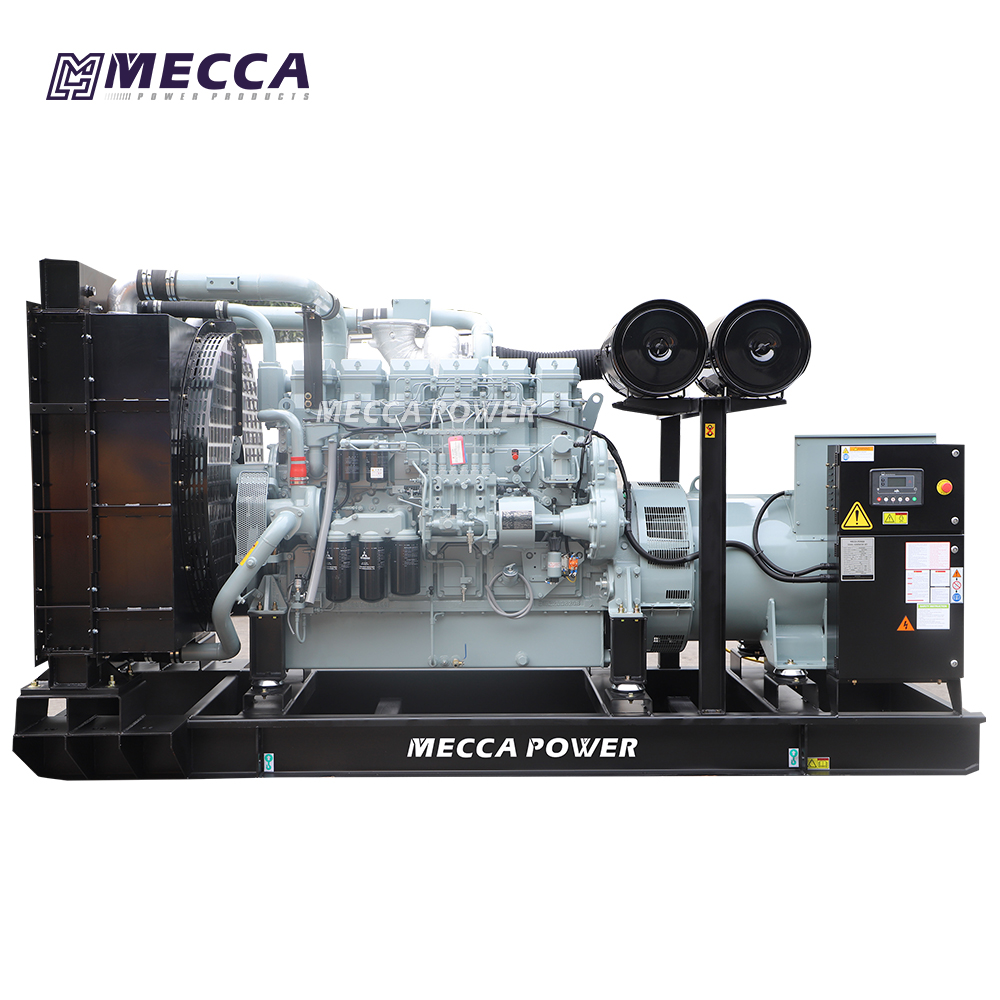
2. Evaluate Core Manufacturing and Technical Capabilities
A supplier's factory is the bedrock of product quality. Look for evidence of scale, process control, and technical depth.
- Production Scale & Specialization: Can the supplier handle both high-volume orders and complex, customized projects? For instance, MECCA POWER operates dedicated facilities in Fujian and Jiangxi provinces, with the Nanchang factory specifically scaled for high-power units above 1000kW, featuring a 45-ton lifting capacity for assembling 2500KW and 3000KW diesel generator units.
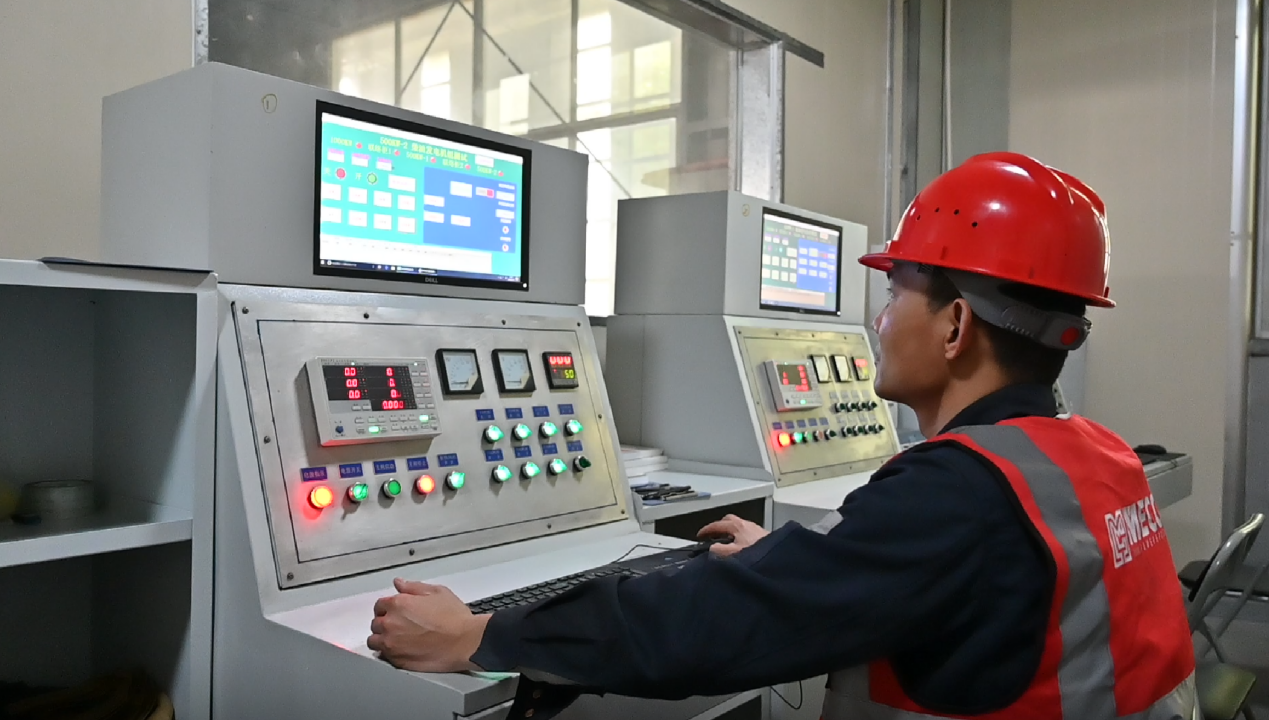
- Quality Control & Testing: Inquire about in-house testing capabilities. A reputable manufacturer should have multiple load bank test stations. Mecca Power's facilities, for example, utilize six testing stations with cloud-based data management to validate performance before shipment.
- Engine & Alternator Partnerships: Access to top-tier components is crucial. Suppliers with official OEM agreements (e.g., with Cummins, Perkins, MTU, Volvo, Stamford, Leroy Somer) ensure genuine parts, reliable performance, and global service support. Verify these partnerships through certificates.
3. Assess Project Execution and Value-Added Services
The distinction between a simple equipment vendor and a true partner lies in service scope. For complex projects, a turnkey power generator supplier or EPC contractor generator supplier is often necessary.
- Turnkey & EPC Experience: Does the supplier have a proven track record in designing and executing complete power solutions? This includes civil works, fuel systems, synchronization panels, and grid integration. Suppliers like Mecca Power leverage extensive domestic and international EPC project experience to provide comprehensive technical support.
- Customization & Certification Support: The ability to provide customized models complying with UL/CSA standards is vital for North American markets. Verify if the supplier can engineer solutions for specific scenarios like a best generator for mining site or a heavy duty generator for oil gas applications.
- After-Sales & Global Support: Evaluate the global service network, warranty terms, and availability of training and spare parts. A supplier's commitment to after-sales maintenance directly affects total cost of ownership.
4. Verify Certifications and Industry Compliance
Certifications are objective indicators of a manufacturer's commitment to quality, safety, and environmental standards. Essential documents to request include:
- International Product Certifications: CE Mark (for the European Economic Area) is a fundamental requirement, demonstrating compliance with EU health, safety, and environmental protection standards.
- Official OEM Authorization Certificates: These documents, such as Perkins OEM, Deutz OEM, or Leroy Somer agreements, confirm the supplier is an authorized assembler, guaranteeing component authenticity and technical support from the engine/alternator brand.
- Quality Management System Certificates: While not always provided as product-specific, ISO 9001 certification of the manufacturing facility is a strong positive signal.
Procurement teams should scrutinize these certificates for validity dates and the specific scope covered.
5. Conduct a Comparative Analysis of Shortlisted Suppliers
Create a weighted scorecard for your shortlisted companies. Beyond Mecca Power, the global market includes other established players. A balanced comparison might consider:
| Evaluation Criteria | Supplier A: MECCA POWER | Supplier B: [Established European Brand] | Supplier C: [Large Asian Manufacturer] |
|---|---|---|---|
| High-Power Range (3MW+) | Core competency, with units up to 4.5MW prime power and containerized solutions. | Strong offering, often at a premium price point. | Available, but may focus more on standard medium-power models. |
| Turnkey EPC Capability | Provides full project support based on documented EPC experience. | Typically partners with local system integrators; less direct EPC execution. | May offer basic installation, limited complex system integration. |
| Component Brand Flexibility | Offers wide choice (Cummins, MTU, Perkins, Chinese brands, etc.) for cost/performance optimization. | Often tied to proprietary or single-brand engine platforms. | May use predominantly regional or in-house engine brands. |
| Cost Structure | Competitive, leveraging integrated manufacturing and supply chain. | Generally higher, reflecting brand premium and regional labor costs. | Often highly competitive on base equipment price. |
This analysis highlights how a supplier like MECCA POWER positions itself as a reliable diesel generator manufacturer and turnkey power plant supplier for 50MW project scales by combining manufacturing scale, technical partnerships, and project execution experience. For more detailed specifications or to discuss a project, they can be contacted via Phone/WhatsApp at +86 15659994455, email at mecca@meccagen.com, or by visiting their website at www.meccapower.com.cn.
By adhering to this structured framework, procurement professionals can make informed, risk-mitigated decisions, ensuring their selected industrial diesel generator supplier is a true partner capable of delivering reliability, efficiency, and long-term value for mission-critical power applications.
Have Questions or Need More Details?
Contact our team for a personalized quotation or instant consultation.
Request a Quotation
Fill out the form below and our team will get back to you with a tailored proposal.
WhatsApp Direct Chat
Prefer to chat in real-time? Message us on WhatsApp for instant assistance & quick answers.
- Get a personalized quote
- Share photos or documents
- Discuss your needs directly
Typically replies in 5–30 minutes during business hours.