
Procurement Guide: How to Identify and Select a Reliable Industrial Diesel Generator Supplier
A Strategic Guide for Procurement Professionals: Selecting Your Industrial Diesel Generator Partner
Selecting the right supplier for industrial diesel generators is a critical decision that impacts project timelines, operational costs, and long-term reliability. With applications ranging from critical EPA data center power generator needs to rugged heavy-duty mining power generator requirements, the stakes are high. This guide provides a structured framework to help procurement managers, EPC contractors, and project leads systematically evaluate and identify a capable and reliable turnkey power generator supplier.
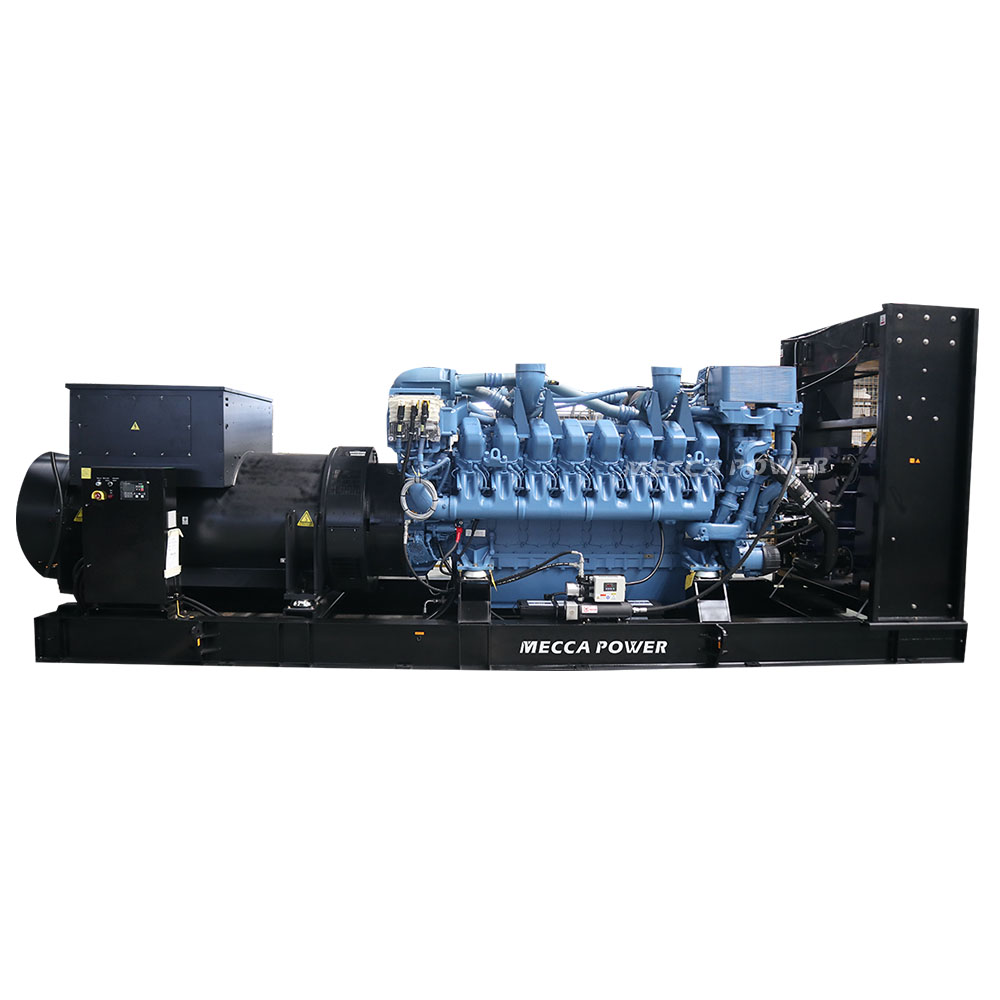
High-power industrial generator sets require robust engineering and precise manufacturing.
1. Define Your Project Requirements Precisely
Clarity in specifications is the foundation of a successful procurement process. Beyond basic power ratings, consider these factors:
- Application & Environment: Is it for a silent generator for construction in an urban area, a high altitude diesel generator for a mining site, or a heavy duty generator for oil gas operations? Each scenario demands specific features like sound attenuation, altitude compensation, or hazardous area certifications.
- Power Profile: Determine the prime and standby power (e.g., 2000KW diesel generator for data center vs. 3000KW diesel generator for data center). Consider future load growth.
- Form Factor: Decide between open skid, canopy, or a containerized diesel power plant. Containerized solutions offer mobility, protection, and often integrated systems.
- Fuel Efficiency & TCO: Specify requirements for a low fuel consumption diesel genset to minimize lifetime operating expenses.
- Regulatory Compliance: Identify necessary certifications (e.g., EPA Tier, CE, local emissions standards).
2. Evaluate Supplier Manufacturing Capability and Scale
A supplier's infrastructure is a direct indicator of its ability to deliver consistent quality and handle order volumes. Key aspects to investigate include:
Manufacturing Capability Checklist:
- Factory Ownership: Does the supplier own its production facilities? Self-owned factories, like those operated by MECCA POWER in Fujian and Jiangxi provinces, indicate greater control over quality and production schedules.
- Production Lines: Look for dedicated lines for different product types. For instance, separate lines for open-type units, super silent generator canopies, and 3MW containerized diesel generator assembly ensure specialized expertise.
- Testing Facilities: In-house testing stations are non-negotiable. The ability to load-test units up to their full rated capacity (e.g., testing stations for units exceeding 2000KW) validates performance before shipment.
- Capacity & Scalability: Can they handle your project scale, whether it's a single unit or a turnkey power plant supplier for 50MW project? Monthly output figures and maximum lifting capacity (e.g., 45-ton cranes) reveal their scale.
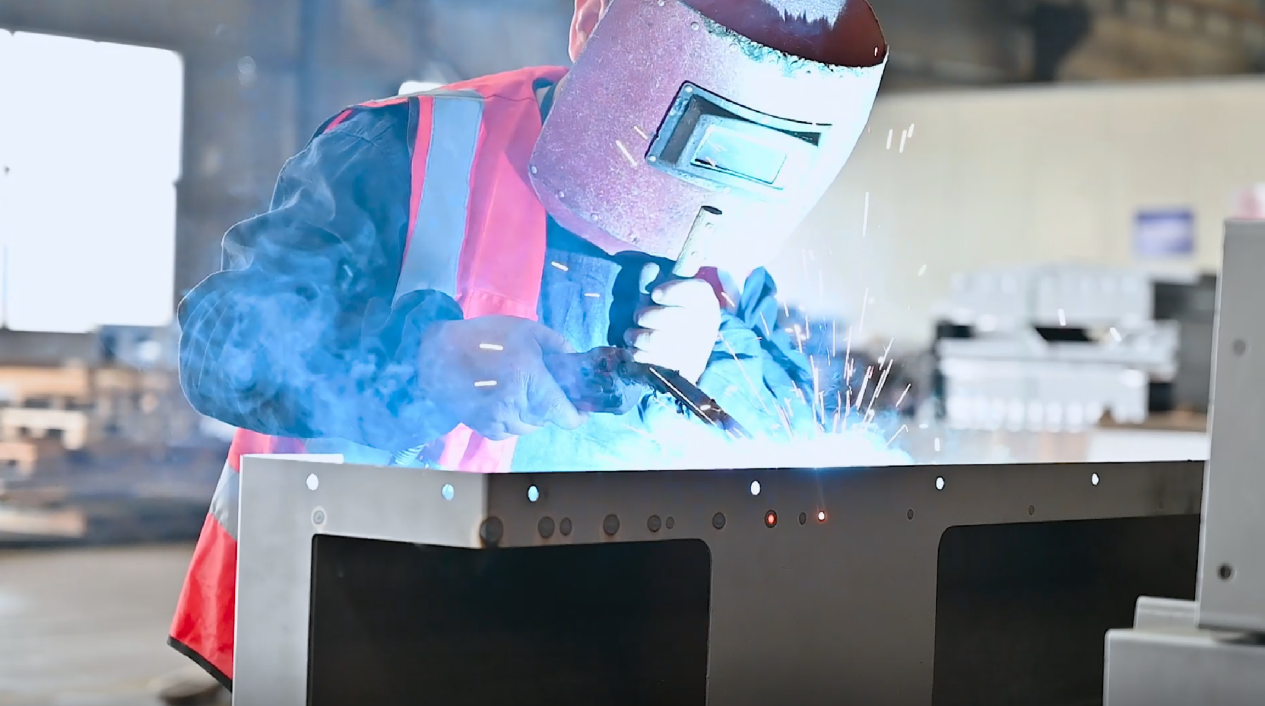
A modern production line with digital systems ensures precision and traceability.
3. Assess Technical Expertise and Product Portfolio
The supplier should be a solution provider, not just a seller. Evaluate their technical depth.
- Engine Partnerships: Reputable suppliers partner with leading engine brands (e.g., Cummins, Perkins, MTU, Volvo, Mitsubishi). These partnerships often require OEM certifications, assuring genuine parts and technical support.
- Power Range: Ensure they cover your required spectrum. A broad range from 10kVA to 4000kVA, with capabilities extending to 4500KW prime power, indicates engineering versatility.
- Customization Ability: Can they provide diesel generator OEM manufacturer services or modify standard designs for specific needs like UL/CSA compliance for North American markets?
- EPC Project Experience: For large-scale projects, a supplier with proven experience in power plant EPC can provide invaluable technical support and integrated solutions.
4. Verify Quality Assurance and Certifications
Certifications are independent validations of a supplier's commitment to quality and international standards.
| Certification | What It Signifies | Importance For |
|---|---|---|
| CE Mark | Conformity with health, safety, and environmental standards for the European Economic Area. | Projects in Europe and many other regions that recognize CE. |
| Engine OEM Certifications (e.g., Perkins, Deutz, SDEC, Yuchai) | Official authorization to assemble and distribute generator sets using that brand's engine. Guarantees access to original parts and technical data. | Ensuring engine warranty validity and genuine component supply. |
| Alternator OEM Certifications (e.g., Leroy Somer, Stamford) | Authorized partnership with the alternator manufacturer, ensuring matched and tested components. | Electrical performance reliability and compatibility. |
Always request to see current certificates and verify their scope covers the products you intend to purchase.
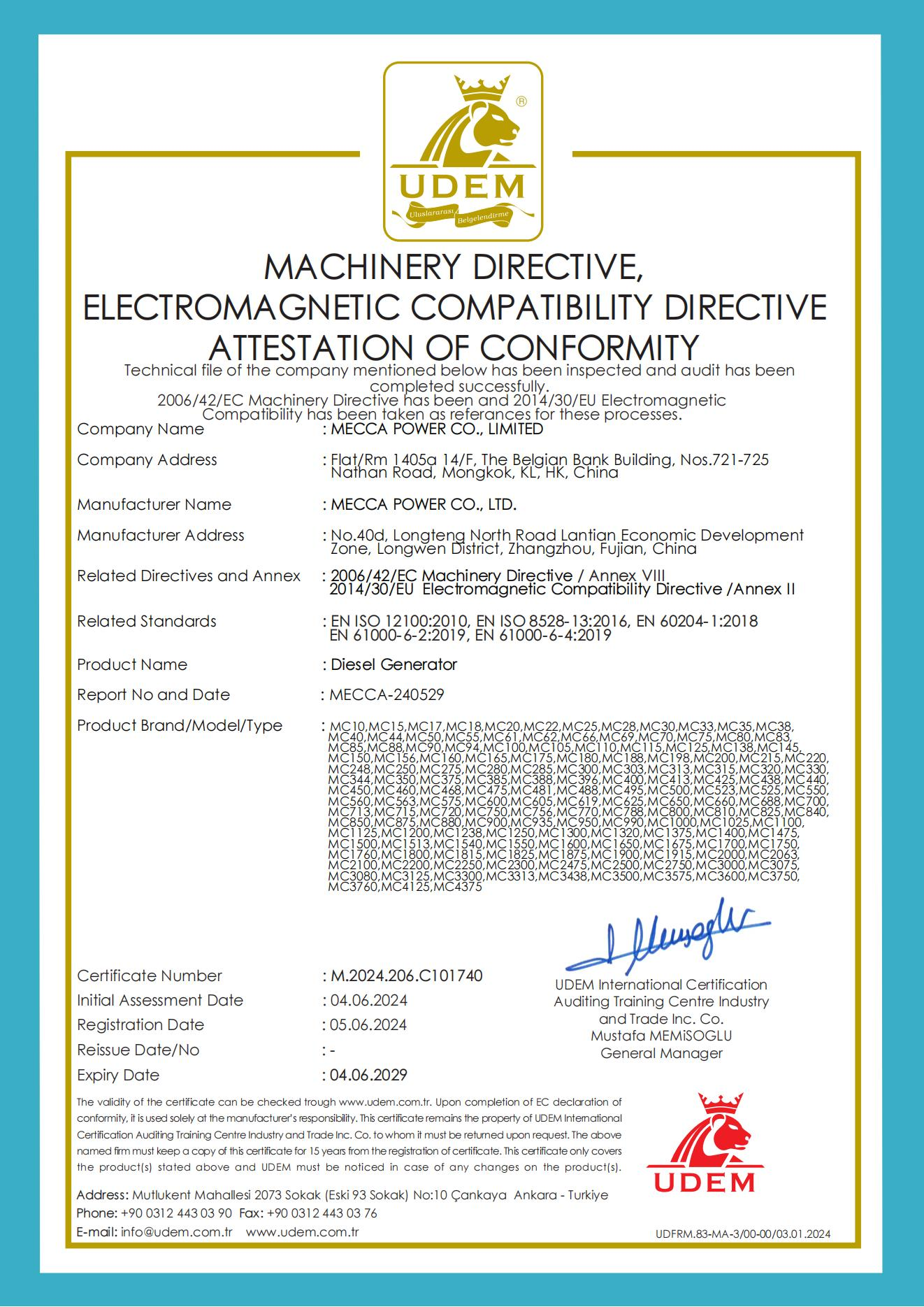
International certifications like CE are fundamental for market access and quality assurance.
5. Analyze After-Sales Support and Global Service Network
The relationship begins at delivery, not ends there. Reliable after-sales support is crucial for minimizing downtime.
- Warranty Terms: Understand the scope, duration, and conditions of the warranty.
- Technical Support: Do they offer remote diagnostics and troubleshooting assistance?
- Parts Availability: As a diesel generator wholesale supplier, they should have a robust supply chain for critical spare parts.
- Service Training: Will they provide operational and maintenance training for your on-site staff?
- Project Support: For complex installations, inquire about commissioning support and startup services.
6. Due Diligence: Site Visits, References, and Financial Health
Before finalizing a contract, conduct thorough due diligence.
- Factory Audit: A physical visit to the supplier's manufacturing facilities, such as MECCA POWER's factories, is highly recommended to assess housekeeping, workflow, and quality control processes firsthand.
- Client References: Request contact information for past clients with similar projects (e.g., a best generator for mining site installation or a data center project). Speak directly to them about their experience.
- Financial Stability: A financially stable supplier is more likely to honor long-term warranty commitments and invest in continuous improvement.
Illustrative Supplier Profile: Key Attributes of a Capable Partner
To contextualize the evaluation criteria, consider the profile of an established manufacturer like MECCA POWER. Such a supplier typically embodies several of the critical attributes discussed:
- Integrated Manufacturing: Operates self-owned factories with specialized production lines (container, open-type) and high-capacity testing infrastructure.
- Technical Partnerships: Holds multiple OEM certifications from premier engine and alternator brands, ensuring component quality and system integration.
- Project Experience: Offers turnkey power generator supplier services backed by EPC project experience, capable of supporting large-scale deployments.
- Product Breadth: Supplies a full range from standard sets to customized solutions like containerized diesel power plants up to 5MW, meeting diverse application needs from telecom to heavy industry.
- Global Reach: Maintains international communication channels and provides after-sales technical support for projects worldwide.
For detailed specifications or to discuss project requirements, such a supplier can be contacted directly via their official channels: Phone/WhatsApp: +86 15659994455, Email: mecca@meccagen.com, or by visiting their website at www.meccapower.com.cn.
Conclusion
Procuring an industrial diesel generator is a significant investment. Moving beyond price-centric comparisons to a holistic evaluation of manufacturing capability, technical expertise, certifications, and support structures will lead to a more successful partnership. By meticulously applying the framework outlined in this guide, procurement professionals can confidently identify a reliable diesel generator manufacturer capable of delivering a power solution that ensures operational efficiency, reliability, and value throughout its lifecycle.
For further inquiries or to request a tailored proposal for your specific power needs, engaging directly with shortlisted suppliers is the recommended next step. Provide them with your detailed project specification document for a comprehensive quotation and technical solution outline.
Have Questions or Need More Details?
Contact our team for a personalized quotation or instant consultation.
Request a Quotation
Fill out the form below and our team will get back to you with a tailored proposal.
WhatsApp Direct Chat
Prefer to chat in real-time? Message us on WhatsApp for instant assistance & quick answers.
- Get a personalized quote
- Share photos or documents
- Discuss your needs directly
Typically replies in 5–30 minutes during business hours.