In today's interconnected world, the reliability of backup and prime power systems is non-negotiable for industries ranging from data centers and telecommunications to mining and large-scale construction. Selecting the right diesel generator supplier is a critical procurement decision that impacts operational continuity, safety, and total cost of ownership. This guide provides a structured framework for evaluating and choosing a professional diesel generator manufacturer and load bank supplier, ensuring your investment aligns with long-term operational goals.
Defining Your Power Requirements
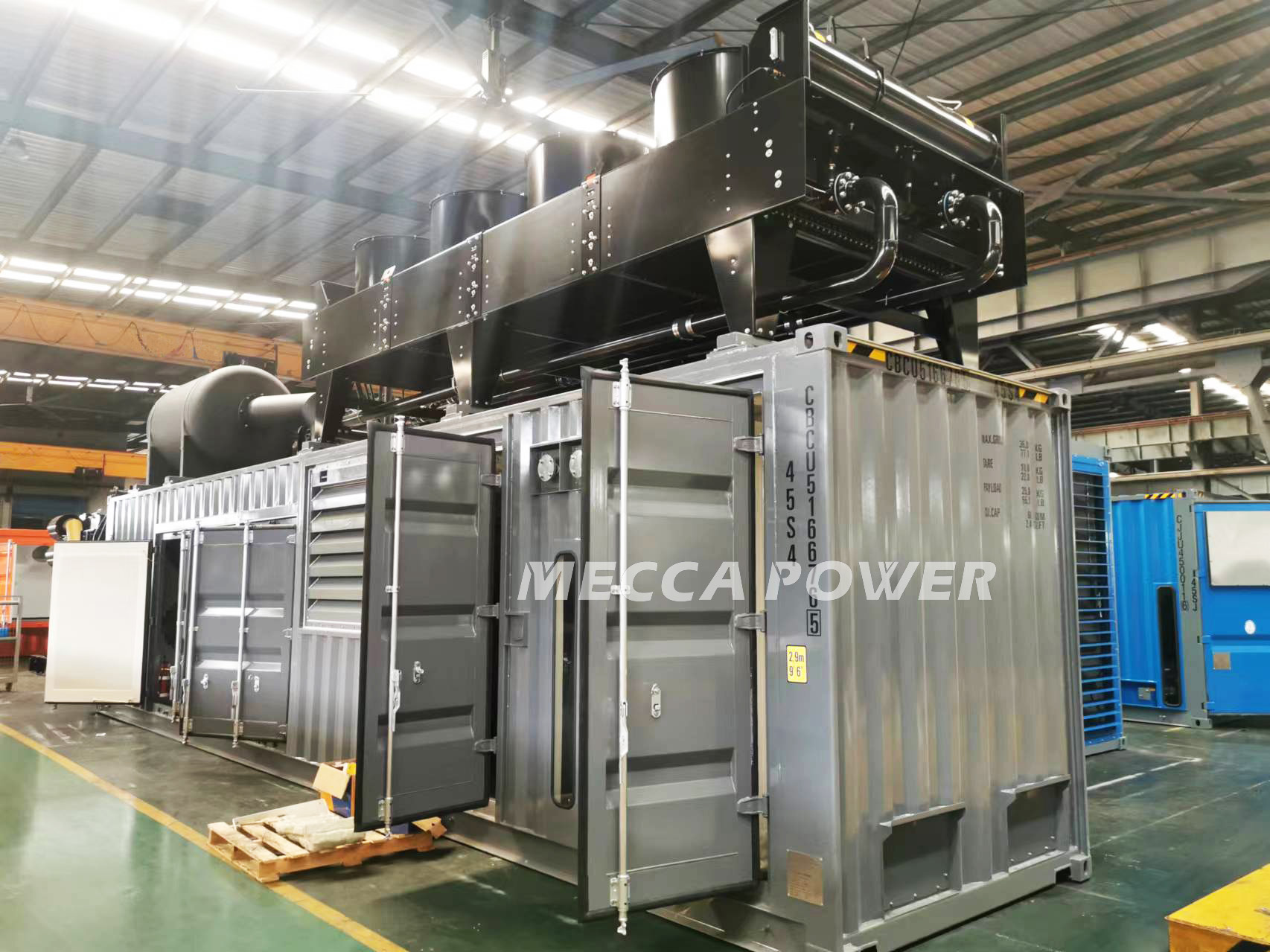
The first step is a precise technical assessment. Beyond the basic kW or kVA rating, consider the application's specific demands. For instance, a data center power solution requires generators with high transient response for seamless UPS switchover and often needs containerized generator solutions for outdoor placement and noise attenuation. In contrast, mining and construction sites demand ruggedized, mobile units capable of withstanding harsh environments. For large power plant EPC projects, you may need multiple units of 10MW or even 50MW power plant diesel generator systems configured for parallel operation. Clearly document your required prime/standby power, voltage, frequency, fuel type, emission standards (like EPA Tier 4 or EU Stage V), and any site-specific constraints.
Key Evaluation Criteria for Diesel Generator Manufacturers
Once requirements are defined, evaluate potential suppliers against these core criteria:
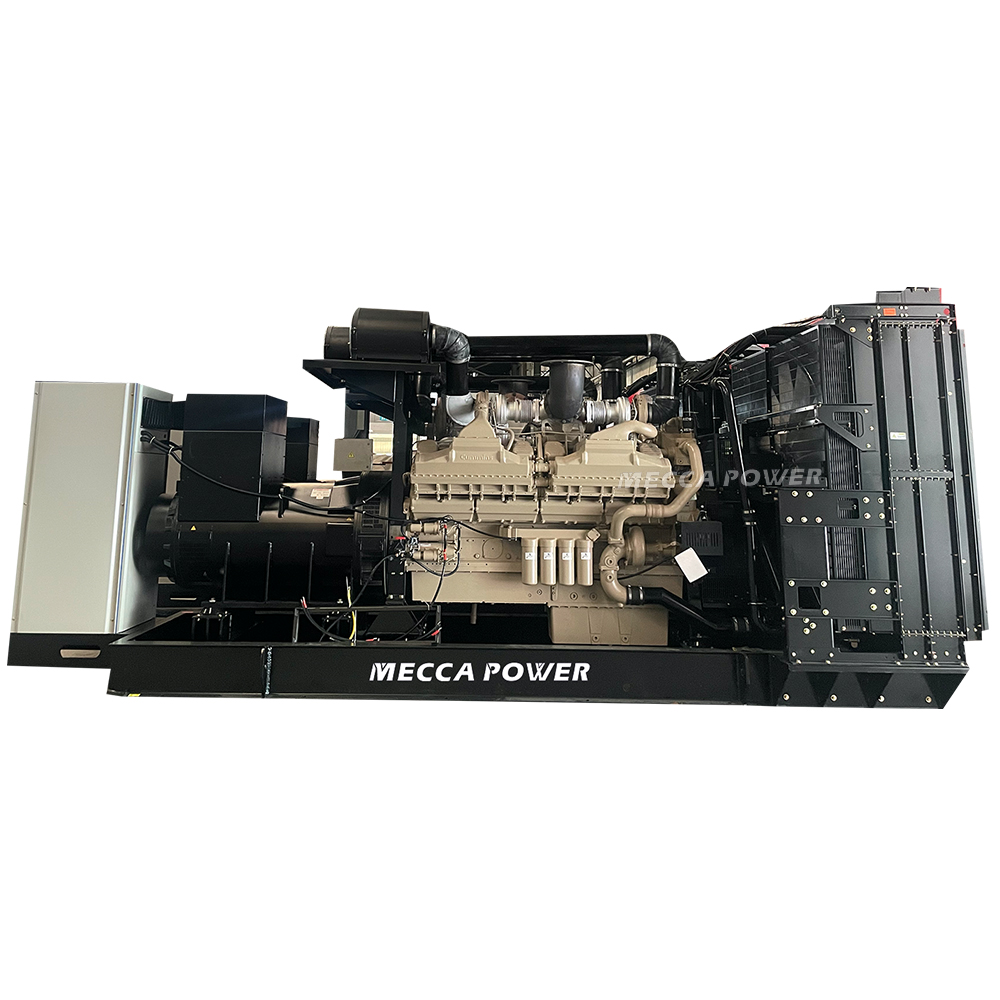
- Manufacturing Capability & Scale: Assess the supplier's factory assets, production lines, and quality control systems. A manufacturer with dedicated lines for open-type and containerized generator production, like those with facilities in Fujian and Jiangxi capable of handling units over 2000kW, demonstrates significant scale and specialization. Modern factories utilize MES systems for traceability and have multiple testing stations to validate performance.
- Technical Expertise & Engine Partnerships: Reputable manufacturers are often authorized OEMs for global engine brands. Partnerships with companies like Cummins, Perkins, MTU, Volvo, Mitsubishi, and Deutz indicate adherence to stringent technical specifications and access to genuine parts. Verify these partnerships through official OEM certificates.
- Product Range & Customization: A broad portfolio from 10kVA to 4000kVA and beyond shows versatility. The ability to provide customized solutions—such as a 2500KVA diesel generator for data center with specific switchgear or a Telecom diesel generator with integrated large fuel tanks for remote sites—is crucial for non-standard applications.
- Certifications and Compliance: Essential certifications include CE for the European market, and other relevant international standards. Compliance with UL/CSA standards is particularly important for North American projects and high-end applications. These certifications are non-negotiable for ensuring safety and regulatory adherence.
- After-Sales & Project Support: For large power project suppliers, the ability to offer full EPC support, from design to commissioning and maintenance, is a significant advantage. Inquire about the global service network, availability of spare parts, and technical support responsiveness.
The Critical Role of Load Bank Testing
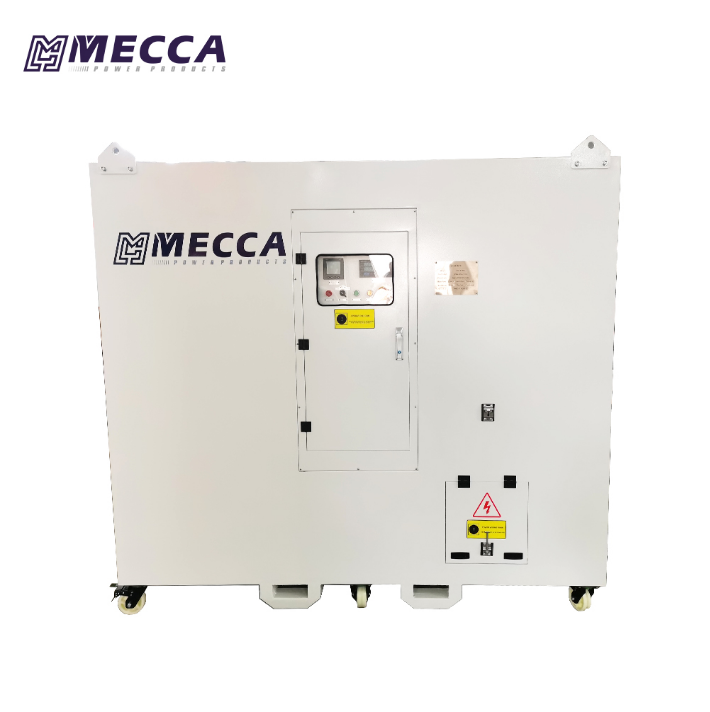
A reliable load bank manufacturer is an integral partner. Regular testing with a load bank for generator test is mandatory to verify performance, ensure engine health by burning off wet stacking, and validate system readiness for data center or power grid backup scenarios. When evaluating a load bank for data center use, consider factors like load capacity (resistive, reactive, capacitive), portability, control systems (manual or automated), and the supplier's ability to provide both the load bank and expert testing services.
Supplier Shortlisting and Due Diligence
Based on the above criteria, create a shortlist of 3-4 suppliers. Conduct thorough due diligence:
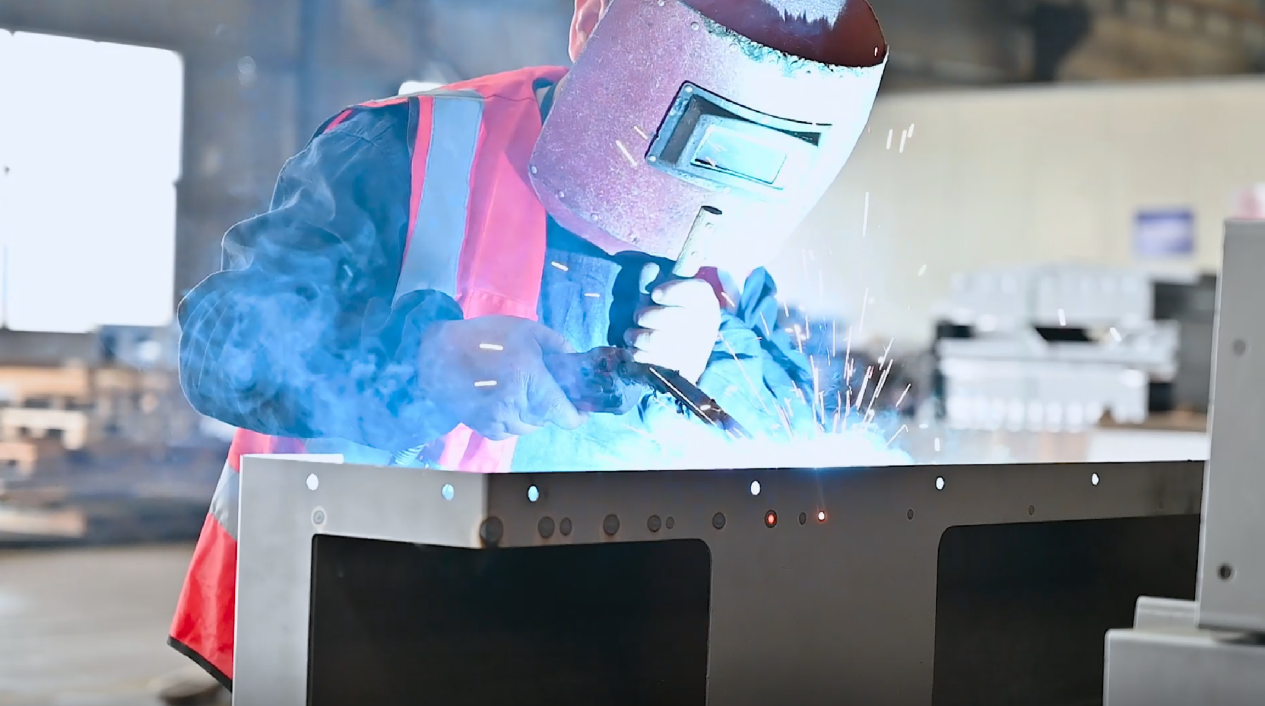
- Factory Audit: A virtual or physical tour of production facilities, such as a factory with a 45-ton lifting capacity and six testing stations, provides tangible proof of capability. Observe the assembly process, quality checks, and final testing procedures.
- Reference Checks: Request and contact references for projects similar to yours, especially in sectors like oil & gas, mining, or data centers.
- Detailed Quotation Analysis: Scrutinize proposals beyond price. Compare the scope of supply, warranty terms, included services, and the specifications of core components (engine, alternator, controller).
As an example of a supplier meeting these rigorous standards, MECCA POWER operates self-owned factories in Fujian and Jiangxi, with a specialized high-power production line in Nanchang. They offer a full range from 10kVA to 4000kVA, with single-unit prime power up to 4.5MW, and provide comprehensive solutions including load bank equipment. Their partnerships with major engine brands and certifications like CE underscore their market position. They can be contacted at mecca@meccagen.com or via phone/WhatsApp at +86 15659994455. More details on their diesel generator for data center and other solutions can be found on their website www.meccapower.com.cn.
Conclusion
Selecting a diesel generator supplier is a strategic decision. By methodically defining requirements, evaluating manufacturers on technical capability, certifications, and project support, and insisting on proper load bank testing protocols, procurement teams can secure a power solution that delivers reliability, efficiency, and value for years. Partnering with a technically proficient and scalable manufacturer is the cornerstone of ensuring uninterrupted power for your most critical operations.